

Things to Do in Vienna: Sights & Insider Tips – The Honest City Guide
Isabella WotavaVienna quickly draws you in with its magnificent facades, hidden courtyards, and the scent of old coffee houses, for it holds stories you’ll only find if you truly look. This guide to Vienna’s sights shows you what’s really worth seeing: from major classics to genuine insider tips and a compact itinerary for when time is short. Plus, a short English section for all those looking for “things to do in Vienna.” Let’s go! Vienna is a city that doesn't scream at you – it gently draws you in. Amidst magnificent facades, hidden courtyards, and the aroma of old coffee houses are stories you'll only discover if you truly look. This guide to Vienna's most important sights shows you what's truly worthwhile – from the grand classics to honest insider tips and a compact route for when time is short. Plus: a short English block for anyone looking for "things to do in Vienna." Let's get started.
Vienna Highlights – the Classics That Are Truly Worth It
If it's your first time in Vienna and you only manage one or two things: here are the places that will stick with you. No "see everything" stress, but honest prioritization – so you're amazed, not exhausted, at the end of the day.

St. Stephen's Cathedral & St. Stephen's Square
What is it? Vienna's Gothic landmark, right in the heart of the Old Town. The South Tower rises 136 meters into the sky – you can see it from seemingly every alley.
Why is it worth it? From the outside, the colorful glazed tile roof is impressive. Inside: cool silence, delicate stonework, and a feeling of "there's much more to this than meets the eye." Those who climb the 343 steps to the South Tower are rewarded with a panoramic view of the entire city.

Schönbrunn Palace
What is it? Habsburg summer residence, UNESCO World Heritage site, over 1,400 rooms – and one of the most visited places in Austria.
Why is it worth it? Not just because of the opulent interiors. The palace park behind it is huge, freely accessible, and leads you up to the Gloriette – a viewing terrace with a view over Vienna that you've earned.

Hofburg Imperial Palace & Heldenplatz
What is it? The former center of Habsburg power, grown over centuries – a massive complex of palaces, museums, the National Library, and the Spanish Riding School. Heldenplatz in front of it is one of the most famous squares in the country.
Why is it worth it? The Hofburg is not a single building, but almost a city in itself. You can spend hours here – or simply stroll across Heldenplatz, let the dimensions sink in, take a detour into the Volksgarten, and then continue on foot.

Belvedere (Art & View)
What is it? Two Baroque palaces – Upper and Lower Belvedere – connected by a geometrically arranged garden. Gustav Klimt's "The Kiss" hangs in the Upper Belvedere.
Why is it worth it? The combination of world-class art and one of Vienna's most beautiful city views. From the Upper Belvedere, you look out over the garden, the city's rooftops, and as far as St. Stephen's Cathedral. Inside, you'll find one of Austria's most important art collections.

Prater & Ferris Wheel
What is it? The Vienna Prater is a huge recreational area with the famous Wurstelprater (amusement park) and the 1897 Ferris wheel – one of the oldest operating Ferris wheels in the world, about 65 meters high. Did you know that the Vienna World's Fair, officially "World Exhibition for the Celebration of Emperor Franz Joseph I's 25th Year of Reign," took place in this area in 1873? It lasted from May 1 to November 2, 1873, and was the fifth World's Fair ever. The centerpiece was the gigantic Rotunde in the Prater, which was then the largest dome building in the world and unfortunately destroyed by fire in 1937.
Why is it worth it? The Ferris wheel is more than an attraction – it's a piece of Viennese identity. The slow ride upwards gives you time to see the city from a completely different perspective. And the Prater around it provides a contrasting program to palaces and museums: relaxed, lively, and vibrant.
Discover Vienna with ixpirity
Do you want to not just see Vienna's highlights, but truly experience them? With ixpirity's digital scavenger hunt, you explore Vienna on your own and have a lot of fun, because you solve puzzles, unlock stories, and discover corners you would otherwise have missed. No guide, no meeting point, your pace.
Vienna Insider Tips – Away from the Tourist Crowds
The classics are worth it, no question. But Vienna often shows its best sides where there are no tour groups. Here are some genuine Vienna insider tips that don't appear in every travel guide – for those who prefer to feel a city rather than just check things off a list.
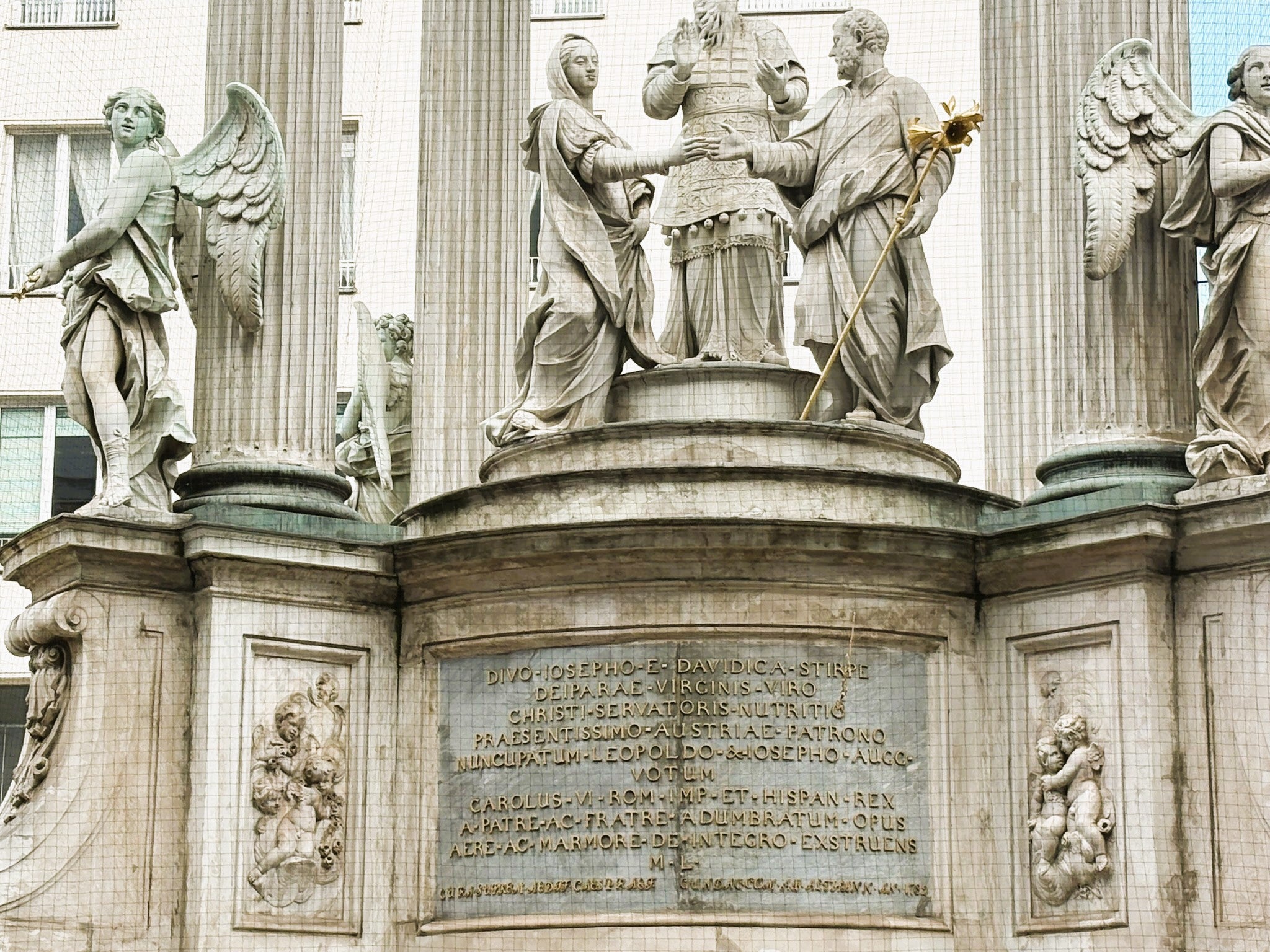
Quiet Alleys & Courtyards (Strolling Feeling)
Vienna's courtyards are like small parallel worlds. Most people walk past them because the entrances seem unassuming. That's precisely the point.
- Heiligenkreuzerhof (1st District): One of Vienna's oldest courtyards, hidden behind a narrow passage near Schönlaterngasse. Cobblestones, silence, a feeling of "how did I get here?". Publicly accessible, but hardly anyone knows it.
- Spittelberggasse (7th District): Narrow, winding alley with small galleries, restaurants, and facades that look like time has slowed down here. Almost deserted during the week.
- Blutgasse (1st District): Sounds gloomy, but it's one of the most charming passages in the Old Town. A few steps from St. Stephen's Cathedral – and yet it feels like another world.
Viewpoints without Crowds
Forget the crowded viewing terraces. These spots offer at least the same view – without the wait.
- Cobenzl/Am Himmel (19th District): Accessible by bus 38A. Once at the top, you'll enjoy a panorama over all of Vienna, vineyards, and plenty of peace and quiet. It's especially beautiful at sunset.
- Jubiläumswarte (16th District): A lookout tower in the Vienna Woods, off the usual routes. Those who take the steps get a wide view – and usually have the platform to themselves.
- Kahlenberg (19th District): More well-known than the others, but still significantly quieter than the city center spots. The view over the Danube and the vineyards in the morning is hard to beat, and you can combine it directly with a leisurely breakfast.
Coffee, Market & Short Breaks (Local Vibe)
Vienna without a coffee house is like Vienna without music: it's possible, but it feels wrong. Here are a few places where you can feel the city while sitting:
- Café Jelinek (6th District): No frills, no tourist surcharge. Instead: honest coffee, old wood paneling, and Viennese coziness in its purest form.
- Brunnenmarkt (16th District): One of Europe's longest street markets. Colorful, loud, fragrant – and with a cross-section of Vienna's culinary diversity.
- Karmelitermarkt (2nd District): Smaller, more personal, especially lively on Saturdays. Perfect for a brunch stop between two strolls.
Vienna Activities – Sorted by Interest
Wondering which Vienna activities are right for you? Here's a quick orientation – not an endless catalog, but impulses to make your choice easier.
For Culture Fans
- Kunsthistorisches Museum (Museum of Art History): World-class collection (Bruegel, Vermeer, Caravaggio) in a building that is itself a work of art.
- MuseumsQuartier (MQ): Contemporary art, architecture, and cafés in one of Europe's largest cultural complexes. Just walk in and let yourself drift.
- Vienna State Opera: Even without a ticket, the building is worth a look. If you want to get in spontaneously: standing room tickets are available for just a few euros – daily shortly before the performance begins.
- Karlskirche (St. Charles Church): Baroque splendor, inside and out. The panoramic lift to the dome shows the frescoes up close and is our personal absolute thing to do in Vienna!
For Families
- Haus des Meeres: Aquarium and reptile house in a former flak tower – the building itself is exciting. Rooftop terrace with views over Vienna included.
- Technisches Museum Wien: To touch, try out, marvel at. Especially for children who prefer to press buttons rather than just look.
- Schönbrunner Tiergarten: The oldest continuously operating zoo in the world (since 1752). Spacious layout, can be easily combined with a visit to the palace.
- Prater-Hauptallee: Cycling, inline skating, balance biking – approximately 4.54 kilometers straight, car-free and shady.
For Couples & Groups of Friends
- Donaukanal Walk: Street art, bars, sunset by the water. The most relaxed evening stroll in the city.
- Heurigen in Grinzing or Neustift: Viennese wine culture, garden tables, simple food. Perfect for a shared evening without pressure to follow a schedule.
- Scavenger hunt through Vienna: Solve puzzles together, discover corners, collect points – works just as well as a couple as it does in a group. (More on this below.)
Vienna in 2 hours – compact walking route
Short on time, but still want to experience Vienna? This mini-route takes you through the most important corners of the city center in about two hours – on foot, without stress, with enough room for short stops.
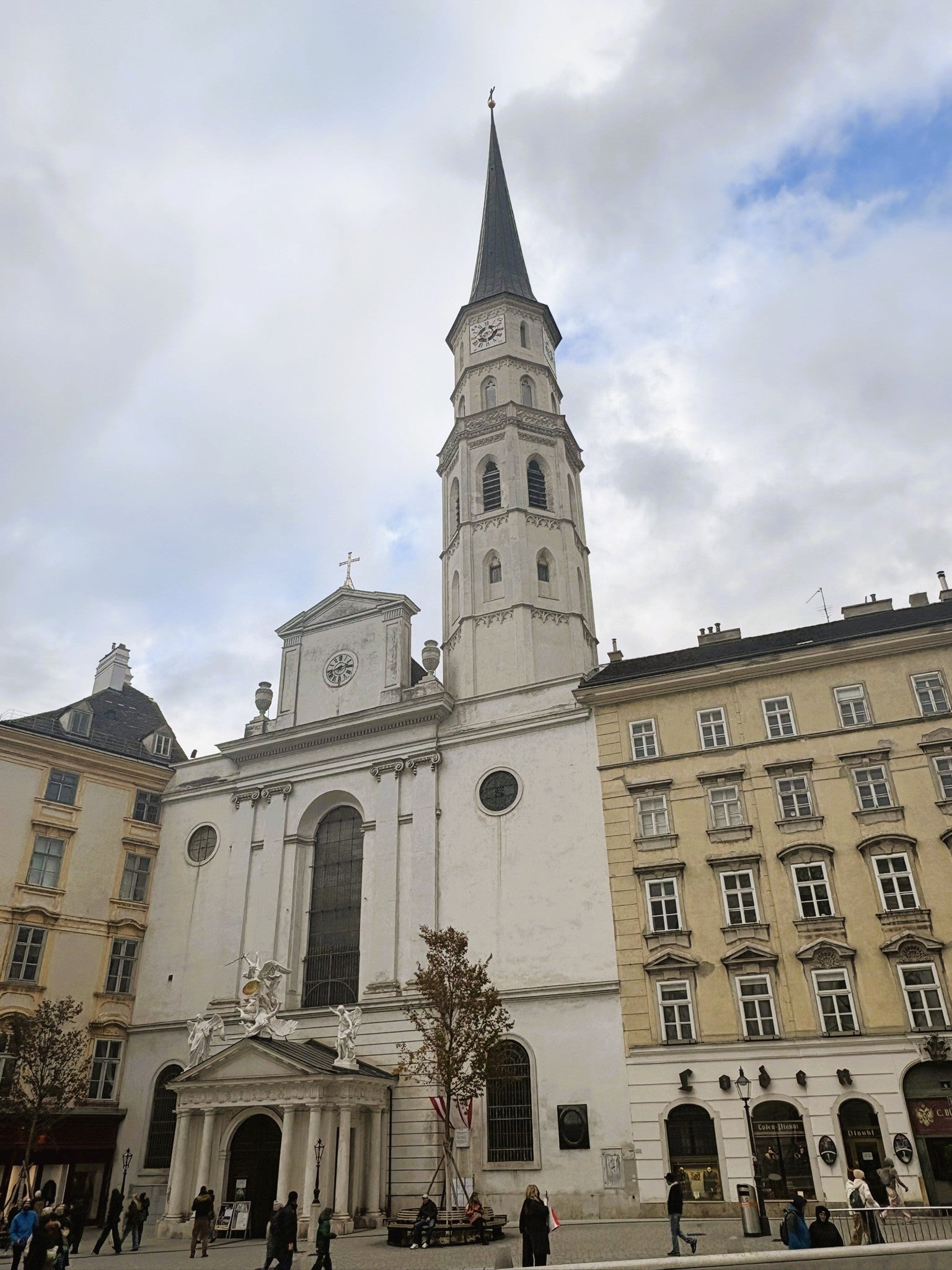
Sample Route: Stephansplatz → Hofburg → Museumsquartier
-
1
Start: Stephansplatz
Take 5 minutes to let St. Stephen's Cathedral impress you. Look at the facade from the side, peek inside.
-
2
Via Graben towards Kohlmarkt (approx. 5 min walk)
The Graben is one of Vienna's most magnificent pedestrian zones. At its end, it leads into Kohlmarkt – Vienna's most elegant shopping street.
-
3
Michaelerplatz & Hofburg (approx. 2 min walk)
At Michaelerplatz you will find the Hofburg. Walk through the Michaelertor, across the Inner Courtyard to Heldenplatz. Here you stand before the former center of an empire. 10 minutes are enough to grasp its dimensions.
-
4
Through the Burggarten towards Ringstraße (approx. 5 min walk)
The Burggarten is a green oasis right next to the Hofburg – perfect for a short break on a bench. The Mozart Monument is also located here.
-
5
Destination: Museumsquartier (approx. 5 min walk)
From the Burggarten, cross the Ringstraße into the Museumsquartier. Sit on one of the colorful Enzis (seating in the inner courtyard), take a breath – you've just seen the heart of Vienna in two hours.
Prefer puzzles to guidebooks?
If you want to explore Vienna on your own – without a guided tour, without a fixed appointment – ixpirity offers a flexible entry point. The digital scavenger hunt guides you through the city while you solve puzzles and unlock stories. Solo or as a team, usable offline and playable in multiple languages. You decide when you start and how fast you go.
Practicalities: Admission, Times, Arrival & Tips
Best travel time & time of day
Vienna works all year round – but each season has its own character.
Public transport & on foot
Vienna's city center is surprisingly compact – most highlights in the 1st district are within walking distance. For everything else, there is one of the best public transport networks in Europe:
- Subway (U-Bahn): 5 lines, frequent, clean, fast. Lines U1, U2, U3, U4 and U6 cover almost all touristically relevant points. A little insider: the U5 is currently under construction ;-)
- Tram (Bim): Especially lines 1 and 2 (Ringstraße) are a sightseeing experience in themselves.
- On foot: For the city center route (Stephansplatz → Hofburg → Museumsquartier) you don't need public transport. Vienna is a city of short distances – at least in the center.
Tickets, Reservation & Budget
- Admission prices vary greatly: Free highlights (St. Stephen's Cathedral interior, Schönbrunn Palace Park, Burggarten) stand alongside paid museums and palace tours.
- Booking online in advance is worthwhile for Schönbrunn and Belvedere – especially during peak season, to avoid waiting times.
- Vienna Pass / Combi-Tickets: If you plan to visit many museums, you should check the Vienna Pass or combi-offers. Whether it pays off depends on your individual program.
- Budget tip: Many of Vienna's most beautiful moments cost nothing – walks, viewpoints, parks, architecture from the outside. Vienna can also be experienced intensely on a small budget.
FAQ about sights in Vienna
What are the most important sights in Vienna for first-time visitors?
St. Stephen's Cathedral, Schönbrunn Palace, Hofburg with Heldenplatz, Belvedere and the Giant Ferris Wheel in the Prater – these are the classics you shouldn't miss on your first visit to Vienna. If time is short: St. Stephen's Cathedral and Hofburg are within walking distance and can be easily combined in a half-day.
Which Vienna insider tips are really worthwhile?
The hidden courtyards of the old town (e.g., Heiligenkreuzerhof), quiet viewpoints like the Cobenzl or the Jubiläumswarte, and local markets like the Brunnenmarkt or Karmelitermarkt. If you want to experience Vienna away from the tourist crowds, you can also try the digital scavenger hunt from ixpirity – it specifically leads you to corners you would otherwise overlook.
What can you do in Vienna in 2 hours?
A compact walking route: Stephansplatz → Graben → Kohlmarkt → Hofburg/Heldenplatz → Burggarten → Museumsquartier. Pure walking time approx. 30 minutes, with short stops around 2 hours. Details and adaptation tips can be found in the "Vienna in 2 hours" section above.
Is Vienna suitable for a Vienna walking tour?
Absolutely. The city center is compact, the most important sights are close to each other, and most streets are pedestrian-friendly. For routes outside the center (Schönbrunn, Prater, Heurigen), simply hop on the subway – it rarely takes longer than 15 minutes.
Discover Vienna on your own
Discover Vienna on your own? The digital scavenger hunt from ixpirity playfully guides you through the city: – solve puzzles, unlock stories, discover places you would have missed without a hint. From €9.90, bookable immediately, valid for 6 months. No guide, no meeting point, no fixed appointment. Solo or as a team, playable in multiple languages, also usable offline.


